
How to Keep Cut Flowers Fresh Longer: A Seasonal Checklist
A season-by-season guide to trimming, water, temperature and placement, plus the small weekly habits that keep cut flowers looking good for days longer.

A bunch of flowers rarely gives up all at once. It sulks first. One tulip leans away from the rest, a rose petal browns at the edge, the water turns cloudy a day earlier than you expected. Most of what shortens a bouquet's life happens in the first hour after it comes through the door, and then again in the small habits you keep or skip over the week that follows.
The variables are few: clean water, a clean cut, a sensible place to stand, and a temperature that doesn't push the blooms open faster than you can enjoy them. What changes through the year is how much each one matters. A July delivery needs different handling from a November armful of chrysanthemums and bare branches. Below is a checklist organised by season, with the year-round basics first.
Start With the Vase, Not the Flowers
Before the wrapping comes off, deal with the container. Fill it with hot water and a drop of washing-up liquid, scrub the sides and base with a bottle brush, then rinse thoroughly. The slippery film you feel on a vase that has held flowers before is bacteria, and it is the single most reliable way to shorten vase life. A vase cleaned properly once will keep a bouquet decent for days longer than one that only got a rinse.
Then cut. Use a sharp knife or floristry snips, never the kitchen scissors that crush rather than slice. Take two or three centimetres off at a 45-degree angle, which gives the stem a larger drinking surface and stops it sitting flat against the base of the vase. Strip every leaf that would sit below the waterline; submerged foliage rots quickly and sours the water. Most flowers take lukewarm water happily, but bulb flowers such as tulips and daffodils prefer it cool.
Placement matters from the first minute. Keep the vase away from ripening fruit, which releases ethylene gas and ages flowers faster, and out of direct sun and draughts.
Spring: Tender Stems, Cool Water
Spring flowers arrive soft and thirsty. Ranunculus, anemones, hyacinths and early tulips all have stems that bruise easily, so a knife is kinder than snips. Give them cool water and a cool position, and refill with fresh cool water rather than topping up a warm vase.
Daffodils deserve their own bucket. Their stems release a sap that clogs the water for other flowers, so condition them separately for a few hours, or overnight, before mixing them into a arrangement. Once they have stood in their own water, they behave.
Tulips keep growing in the vase and will bend towards the light, which is charming for a day and tiresome by the third. A shallower fill, just a few centimetres, helps keep stems firmer, and a cool room slows the whole performance. Peonies bought tight, in the "marshmallow" bud stage, will open in warm water and hold far longer in cool.
Summer: Heat Sets the Pace
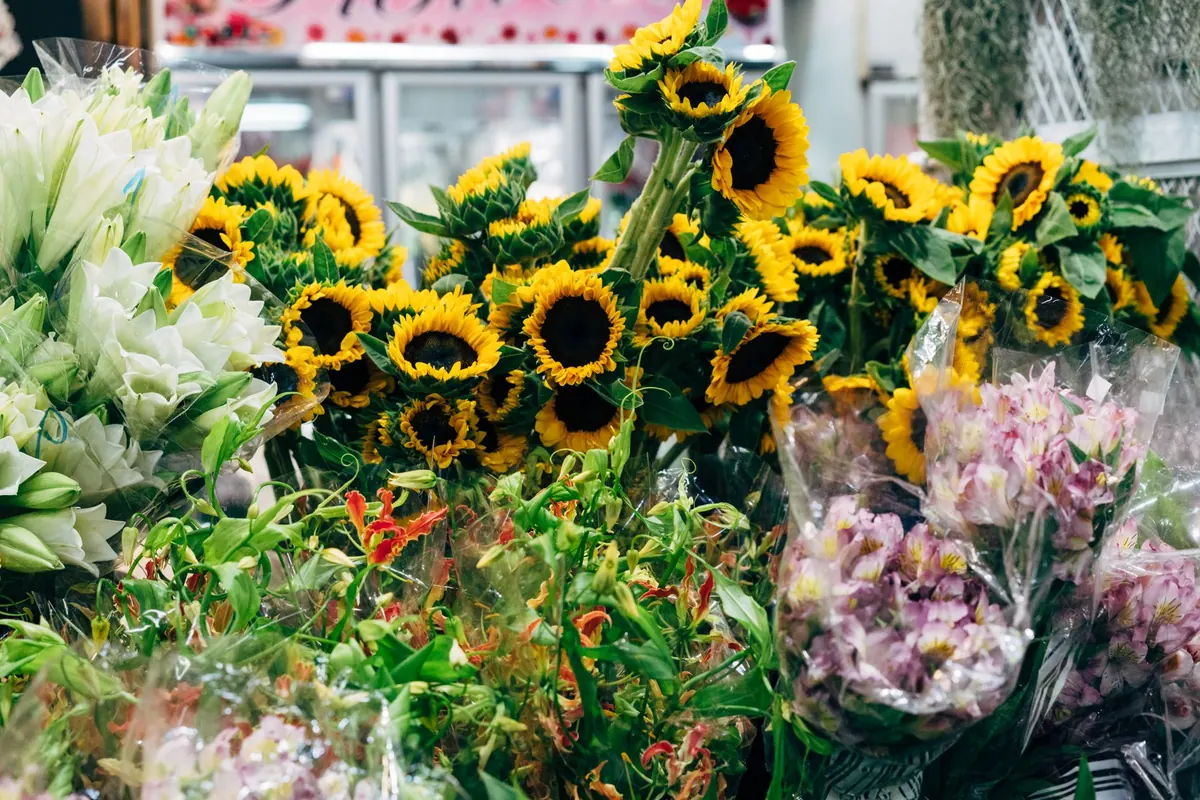
In July and August everything accelerates. Bacteria multiply faster, water evaporates faster, and stems that would have lasted a week in April are tired by Tuesday. Change the water daily during a heatwave, and check the level twice a day for heavy drinkers: sunflowers, zinnias, hydrangeas and stock can empty a vase surprisingly quickly.
Cut stems early in the morning if you can, or get market flowers into water as soon as you are home. Never leave a bouquet in a hot car while you run errands. Once arranged, move the vase to the coolest room overnight; a hallway or a shaded kitchen corner is better than a sunny windowsill.
Hydrangeas are the great summer rescue case. When a head wilts, submerge the whole flower, stem and all, in a basin of cool water for twenty to thirty minutes. More often than not it comes back. Trim the stem again before returning it to the vase.
Autumn: Woody Stems and Long-Lasting Blooms
Autumn is the forgiving season. Chrysanthemums, sedum, dahlias, berries and branches all hold well, and cooler nights slow the opening of anything you bring indoors. The work shifts from speed to technique.
Dahlias have hollow, sappy stems that clog easily. Dip the bottom few centimetres in just-boiled water for ten to twenty seconds, then move them straight into cool water. Chrysanthemums are heavy drinkers with a lot of leaf; strip the lower third and expect to top up the vase regularly.
Woody material, such as rosehips, crab apple, eucalyptus and late branches, needs help at the base. Cut on a sharp angle, then make a short vertical slit or crush the very end gently with a rolling pin so water can enter. Warm water suits them better than cold. Berries should be handled lightly and not crowded, since a single bruised fruit will spoil its neighbours.
Winter: Dry Air Indoors
Winter flowers rarely fail from heat. They fail from dry air. Central heating pulls moisture out of petals faster than the stems can replace it, which is why amaryllis and hyacinths can look tired in a warm living room despite fresh water.
Keep vases off radiators, wood stoves and forced-air vents, and away from cold single-glazed windowsills at night, where condensation and draughts do their own damage. Grouping two or three vases together raises the humidity around them a little, and a shallow tray of water nearby helps further. Misting suits hydrangeas and soft greenery but is wasted on blooms that resent wet petals.
Bare branches are winter's best bargain. Forsythia, willow, cherry and hazel brought indoors in January will open in a warm room within a week or two. Cut them long, give them a slit base and a deep bucket of tepid water, and change that water every few days.
Water, Feed and the Two-Day Check
Whatever the season, the routine is the same and takes about five minutes. Flower food from a sachet does three jobs at once: it feeds the stems with sugar, acidifies the water and slows the build-up of bacteria. If you have none, a pinch of sugar with a teaspoon of lemon juice or vinegar and a single drop of household bleach in a litre of water is a reasonable stand-in. Make it fresh each time rather than storing it.
The weekly rhythm, in order:
- Tip out the old water completely; never top up a cloudy vase.
- Rinse the vase and wipe away any slime around the base.
- Recut every stem by a centimetre or two at an angle.
- Remove faded blooms, fallen petals and any leaf now sitting underwater.
- Refill with fresh water and food, and check the level again tomorrow.
Repeat every two days in normal weather, daily in a heatwave. A bouquet that is fading unevenly often just needs this reset rather than replacing.
A Short Weekly Ritual
Choose a fixed moment, a Sunday morning with coffee, and give every vase in the house five minutes. Dump, rinse, recut, refill. Move anything that has drifted into sunlight back into shade. Compost the stems that have gone over and rearrange what is left into a smaller vessel; a half-finished bouquet in a tight jar often looks better than the original did.
Fresh flowers are not a test of care. They are a small, cheap pleasure that responds well to a little attention at the right moment. Get the first hour right, keep the water clean, keep the heat at arm's length, and you will get several more days out of almost anything you bring home.
Photo: 8926 / Pixabay